
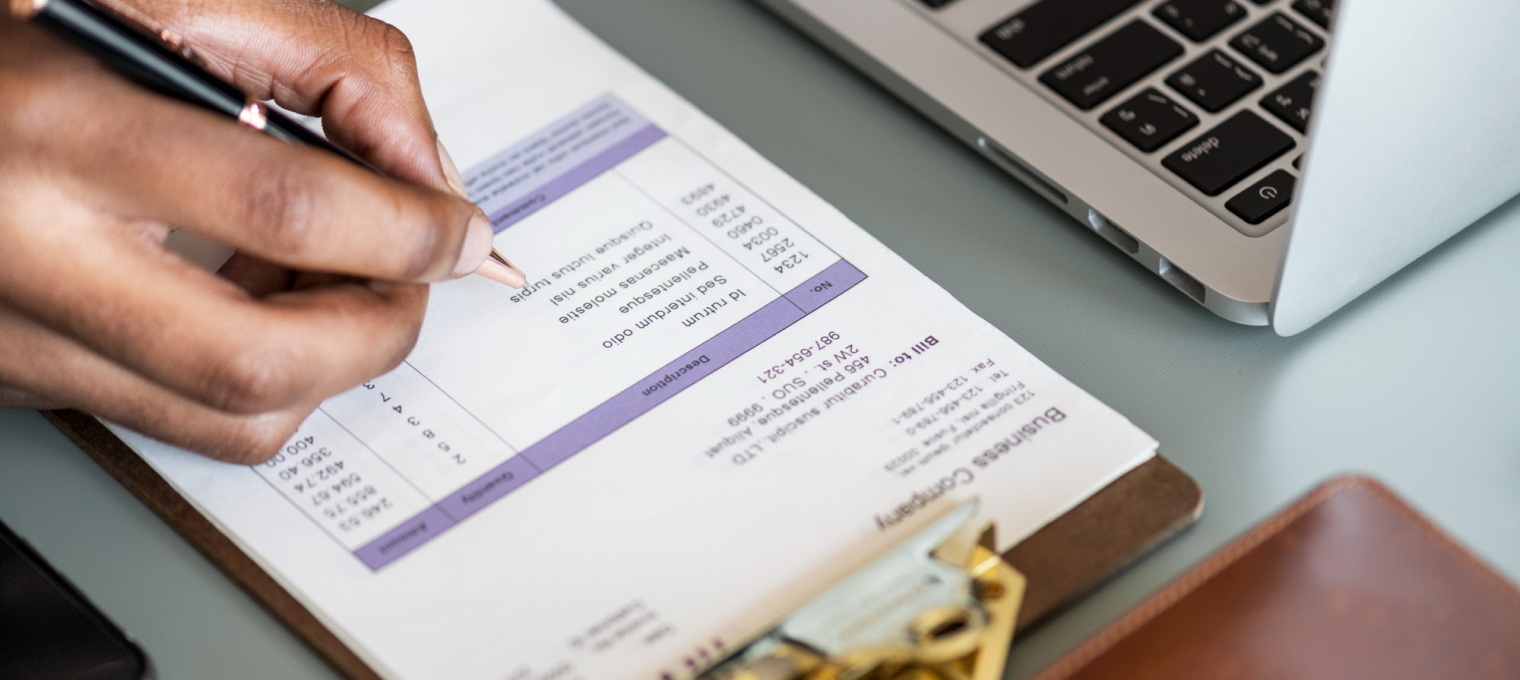

Have you ever shipped a large quantity of goods, whether by sea or land, and were then given a document that looks official and complicated? That document is likely a Bill of Lading, often abbreviated as BoL.
For those new to the world of expedition or logistics, this term might sound foreign. But don’t worry, in this article, we will thoroughly discuss what a Bill of Lading is, what its functions are, and why this document is so crucial in every shipping process. We’ll explain it in a relaxed style that’s easy to digest, starting with the most basic definition.
Understanding the Meaning of Bill of Lading
Simply put, a Bill of Lading (BoL) is a legal document issued by a carrier (expedition or transport company) to a shipper, acknowledging that the goods have been received for shipment to a specific destination.
Think of the BoL as the “ID card” for your shipped goods. Without this document, your goods’ journey could be hindered, or even not legally recognized. In the logistics industry, the existence of a Bill of Lading is absolute, especially for sea freight. At Agung Logistics, we always ensure every client shipment is equipped with an accurate BoL document that complies with regulations to avoid problems in the field.
The Main Functions of a Bill of Lading
Why is this document so important? Because the Bill of Lading has three main functions that cannot be underestimated:
- As a Receipt of Goods
The BoL is formal proof that the shipping company has received the goods from the shipper. It includes a description of the goods, quantity, packaging condition, and other details. If a claim arises later, this document becomes the primary reference. - As Evidence of a Contract of Carriage
The BoL also serves as a contract agreement between the shipper and the expedition company. This contract covers the carrier’s responsibilities, shipping costs (freight), and the route to be taken. It protects both parties throughout the shipping process. - As a Document of Title
This is the most crucial function. A Bill of Lading can be used as a tool to transfer ownership of the goods. This means that whoever holds the original BoL document is entitled to receive the goods at the destination. This is extremely important in international trade, where goods can change hands multiple times while still in transit.
Types of Bill of Lading You Should Know
Not all Bills of Lading are the same. Based on their issuance and use, here are several types you need to understand:
- Ocean Bill of Lading: Used specifically for shipments via sea routes.
- Inland Bill of Lading: Used for shipments via land routes, such as by truck or train. If you need reliable land shipping services, our Trucking service is ready to assist with your goods’ journey from the warehouse to the port or vice versa.
- Straight Bill of Lading: Non-negotiable. It is usually sent directly to the consignee whose name is stated on the document.
- Order Bill of Lading: Negotiable through endorsement. This is the most common type used in international L/C (Letter of Credit) transactions.
Key Information in a Bill of Lading
You don’t need to be confused when reading a BoL. This document usually contains standard information such as:
- Shipper’s name and address
- Consignee’s name and address
- Vessel name or vehicle number
- Port of loading and port of discharge
- Description, weight, and volume of goods
- Type of packaging
- Shipping date
Ensuring all this data is accurate is key to smooth shipping. This is where our Warehouse services prove reliable, as checking goods before loading is our operational standard to ensure the description on the BoL matches the physical condition of the goods.
Common Mistakes and How to Avoid Them
Small errors on a Bill of Lading can have fatal consequences, such as shipping delays or fines. Some common mistakes include:
- Incorrect spelling of the consignee’s name or address.
- Goods description not matching the actual contents.
- Missing valid signatures or stamps.
To avoid this, make sure you work with an experienced logistics provider. With our experience at Agung Logistics, we don’t just offer domestic and international shipping solutions; we also assist clients in processing complete documentation to ensure your goods’ journey is smooth and hassle-free.
The Bill of Lading is the heart of every shipping process. Understanding its function as a receipt, contract, and document of title will make you more confident in managing your business logistics.
Manage your shipping documents with the right partner
We are ready to assist with your Freight Forwarding needs, supported by complete and accurate documentation.


