
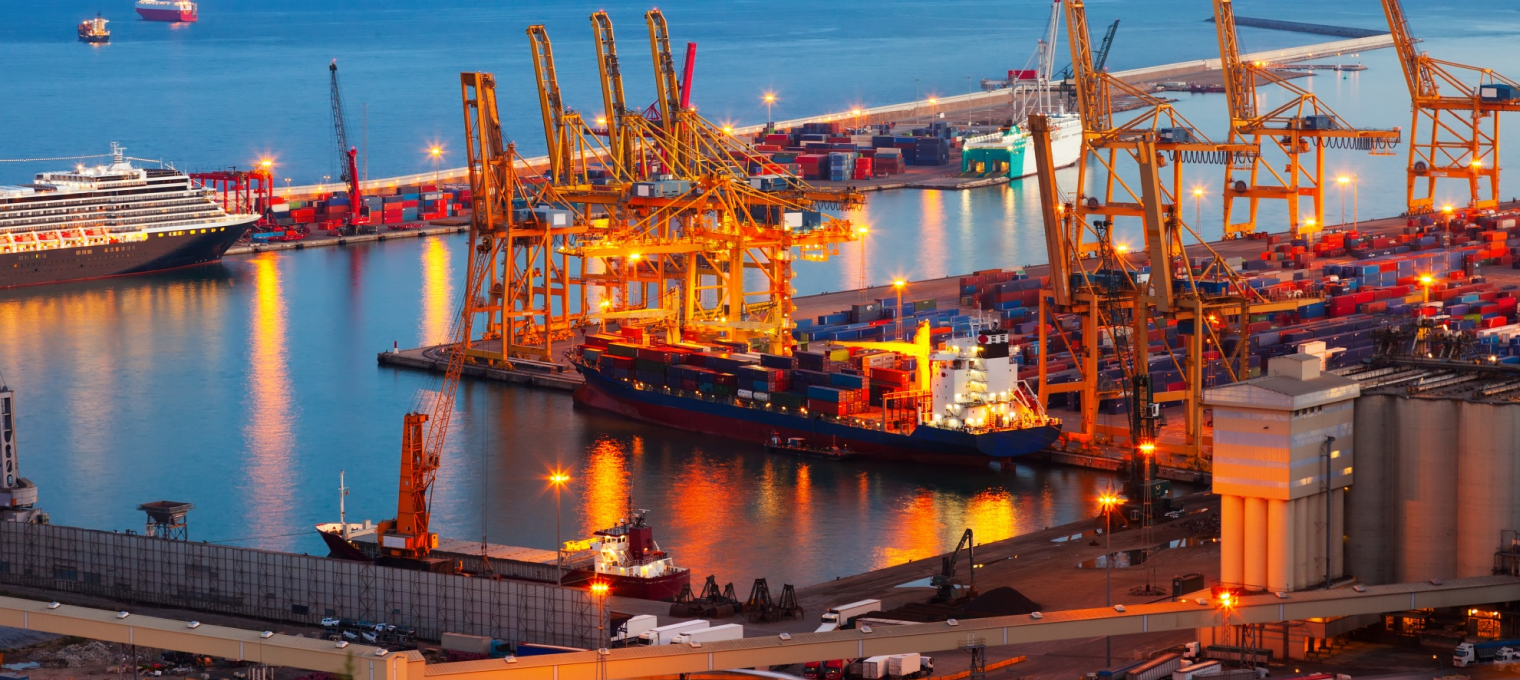

Have you ever imagined how a single package can reach you so quickly across the thousands of islands in Indonesia? Behind it all is the tireless pulse of the economy: the logistics industry. The transportation and logistics sector is much more than just moving goods from point A to point B. It is the backbone of national distribution, a real-time indicator of economic health, and it is currently on the verge of a massive transformation.
As a business owner, understanding the direction of the future of the logistics industry is no longer just an option; it’s a necessity. To stay ahead of the curve, let’s break down the five main factors that will determine the competitive landscape of logistics in the years to come.
1. The Technological Revolution and Digitalization: More Than Just Package Tracking
This is the most dominant factor. Technology is no longer just a supplement, but the very core of modern logistics operations. Artificial Intelligence (AI) can now predict market demand patterns, helping companies determine ideal stock levels in their warehouses. The Internet of Things (IoT) allows sensors and GPS to be installed on fleets, providing complete, real-time visibility of goods in transit.
In the warehouse, automation through advanced Warehouse Management Systems (WMS) is no longer a luxury. These systems organize layouts, speed up picking and packing processes, and drastically cut down on human error. All of this leads to one thing: incredible efficiency and transparency.
Optimize Your Business: Want to experience the benefits of smart warehouses and integrated digital systems for yourself? Agung Logistics provides modern warehousing solutions with advanced WMS technology to monitor your inventory automatically. [Learn more about our warehousing services].
2. The Demand for Sustainability (Green Logistics): Business That’s Kind to the Planet
Awareness of the environment is increasingly influencing consumer decisions and government regulations. This is where the trend of green logistics emerges as a decisive factor. It starts with optimizing delivery routes to reduce fuel consumption and carbon emissions, and extends to using recycled packaging and electric vehicles for short-haul deliveries.
Companies that adopt eco-friendly practices not only contribute to the planet but also achieve long-term cost efficiency and a positive image in the eyes of their customers. The future belongs to those who can grow without compromising the environment.
3. The Shift in Warehouse Models and the E-commerce Boom
The explosion of e-commerce has fundamentally changed the function of warehouses. Today, a warehouse is no longer just a place to store goods, but a dynamic distribution hub that must be ready to respond to orders at high speed. The demand for modern warehouses, especially those equipped with cold storage for fresh or pharmaceutical products, continues to soar in major cities like Greater Jakarta and Surabaya.
Alongside this, last-mile delivery services have become the new battlefield. Consumers want “same-day” or even “instant” delivery. This demands a dense distribution network and a highly responsive management system.
Integrated Solutions: With a broad network and reliable trucking services, Agung Logistics is ready to help your business reach customers faster and more efficiently. [Check out our various shipping services].
4. Infrastructure and National Connectivity: Unlocking New Opportunities
Massive infrastructure development by the government, such as new toll roads, sea highways, and port expansions, is directly lowering national logistics costs. As a result, remote areas that were once difficult to reach are now becoming connected, opening up new potential markets for businesses.
This efficiency creates a long-term competitive advantage for companies that can leverage it. The distribution of goods between islands, which once took weeks, can now be significantly shortened.
Extensive Reach: Agung Logistics has service coverage reaching various corners of Indonesia. Utilize our network to expand your product’s market throughout the archipelago. [Check our network and shipping routes here].
5. Human Resources (HR) and Logistics Talent
Behind all the advanced technology, humans are still needed as the operators and strategists. Digital transformation demands an upgrade in workforce competency. Warehouse staff must be able to operate WMS systems, truck drivers need to understand telematics technology, and logistics managers must be able to analyze data.
The biggest challenge is ensuring the availability of talent with these new skills. For many companies, the fastest and most effective solution is to partner with a professional logistics service provider that already has a trained and experienced team.
Conclusion: Time to Choose the Right Partner
The future of the logistics industry will be defined by a combination of cutting-edge technology, a commitment to sustainability, strong infrastructure, and skilled human resources. Amidst this dynamic environment, having the right logistics partner is the key to winning the competition.
Agung Logistics, with experience dating back to 1963 and the support of over 1,000 professional employees, is here as an end-to-end solution for your business’s logistics needs. We combine the latest technology with a vast network to ensure your supply chain runs smoothly, efficiently, and is ready to face the future.
Ready to optimize your business logistics?
Don’t wait any longer. Get a Free Consultation with the Agung Logistics Team Now!


