
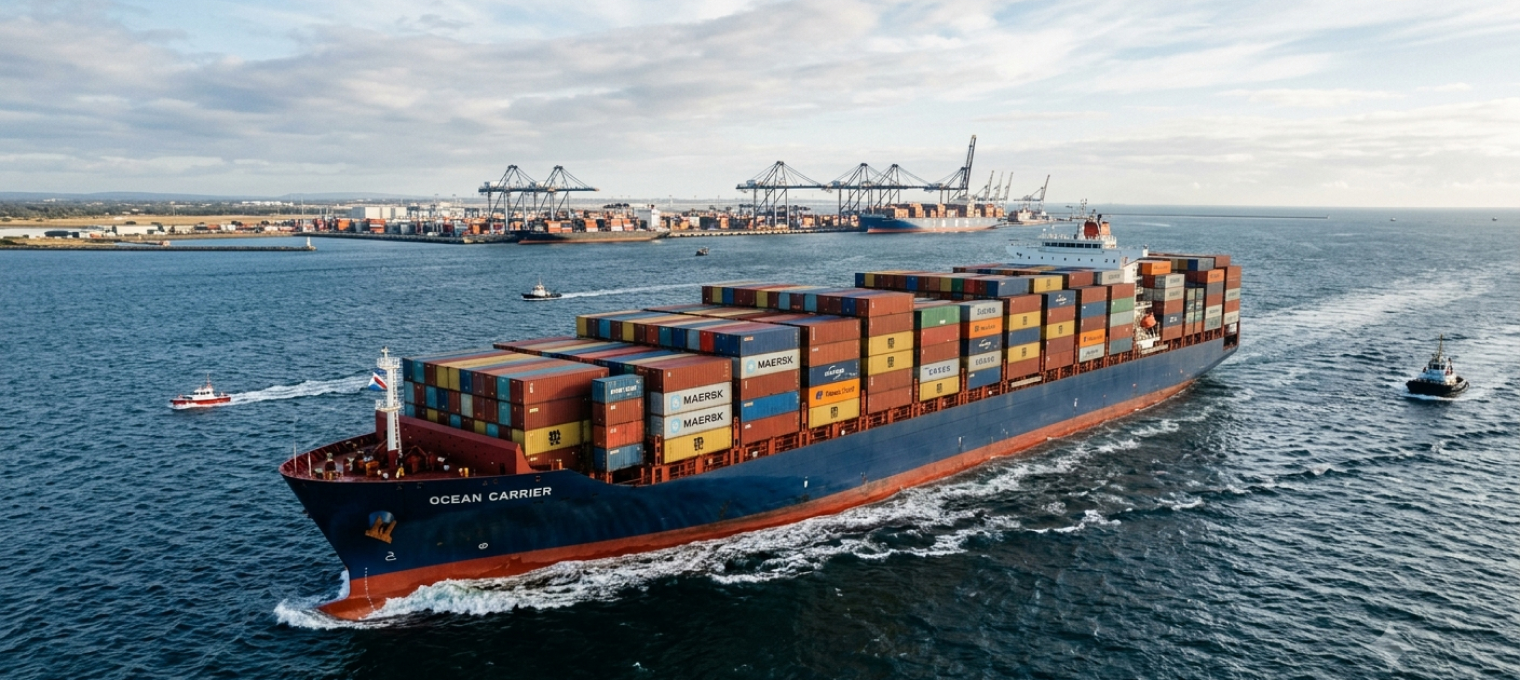

Have you ever budgeted for a shipment, only to receive an invoice that leaves you scratching your head? I’m sure many business owners have been there. Often, we only focus on the base shipping rate and completely forget that dozens of other cost components are lurking just beneath the surface. Understanding the full Components of Sea Freight Costs is the absolute key to maintaining healthy cash flow and ensuring your supply chain runs without administrative hiccups.
In this article, I’ll take you on a deep dive into the world of ocean freight charges. Here at Agung Logistics, we believe that education is the foundation of a strong partnership. So, let’s break it down, piece by piece!
1. Basic Freight Charges
This is the “core” fee paid to the shipping line to move your cargo from port A to port B. However, the calculation isn’t always straightforward, especially if you’re shipping smaller quantities.
- FCL (Full Container Load): You are charged per container (e.g., 20ft or 40ft). The rate is flat, even if the container isn’t completely full. This is perfect for large volumes.
- LCL (Less than Container Load): Costs are calculated based on volume (CBM – Cubic Meters) or weight (Tons), whichever is higher (this is what we call the chargeable weight).
A quick tip: If your cargo doesn’t fill half a container, opting for LCL can save you money. However, keep an eye on the additional handling fees, as they tend to be more complex.
2. Origin Charges (At the Departure Port)
Once the main freight cost is agreed upon, there are several local fees to settle before the vessel sets sail. Don’t overlook these!
- THC (Terminal Handling Charge): The cost of handling the container at the origin terminal.
- Documentation Fee (BL Fee): The issuance cost of the Bill of Lading—a crucial document that serves as proof of ownership.
- AMS/ISF (for US routes): Security declaration fees required for shipments heading to the United States.
Typically, these are bundled into a single package by your freight forwarder. Always request a detailed breakdown!
3. Destination Charges (At the Arrival Port)
Arriving at the destination port doesn’t mean the journey is over. There is another wave of charges that must be cleared before your goods are released.
- Import Duties & Taxes: These depend on the type of goods and the regulations of the destination country. This is often the largest chunk and a frequent cause of budget shocks.
- Demurrage & Detention: This is a penalty fee applied if you are late returning the empty container to the depot or if you delay picking up your cargo from the port. Be careful! These fees can accumulate rapidly and become a heavy burden.
To avoid these penalties, make sure all your customs documents are prepared well before the vessel arrives. Better yet, leave it all to the professionals at Agung Logistics to speed up documentation and customs clearance.
4. Fluctuating Costs: Bunker Fuel (BAF) and Insurance
These two components are either optional or highly volatile, yet they demand your attention.
- BAF (Bunker Adjustment Factor): This adjusts according to global oil prices. If crude oil prices spike, you will see this reflected as a surcharge on your final invoice.
- Marine Cargo Insurance: Think of this as your financial “safety net.” Perils of the sea—like storms or accidents—can happen anytime. Even though it adds to the bill, I strongly advise never skipping insurance, especially for high-value goods.
5. Smart Tips to Reduce Sea Freight Costs
Looking at this long list of expenses, is there a way to cut down on spending? Absolutely!
- Consolidate Shipments: If you frequently ship small volumes, try combining several orders into one full container (FCL) to drastically reduce the cost per unit.
- Choose the Right Freight Forwarder: Don’t be lured by the cheapest initial quote. Choose a forwarder that is completely transparent about the Components of Sea Freight Costs. This is exactly where Agung Logistics excels. We don’t just offer competitive rates; we provide free consultations to optimize your shipping routes.
- Watch the Calendar: Avoid the peak shipping season, as freight rates tend to skyrocket during these busy months.
Conclusion
Understanding the nitty-gritty of sea freight costs isn’t just about saving money; it’s about avoiding stress and preventing operational delays. Every single component has its own logic and importance.
If you still feel overwhelmed or want to ensure you are getting the absolute best deal, don’t hesitate to reach out. At Agung Logistics, we are ready to help you manage your logistics with ease, transparency, and cost-efficiency. Click the button below for a free consultation or to request a shipping quote right now!
Jangan tertinggal dalam revolusi logistik ini.
Click the button below for a free consultation or to request a shipping quote right now!


