

Have you ever wondered how heavy machinery gets from a factory in Germany to a construction site in Kalimantan? Or how raw materials are transported efficiently on a massive scale? The answer lies in the world of cargo shipping. Unlike regular parcel delivery, this type of freight service is the backbone of global trade and industry. Let’s break down what cargo shipping is, its various types, and how it works, so you can make better-informed decisions for your logistics needs.
What is Cargo Shipping? More Than Just Sending Packages
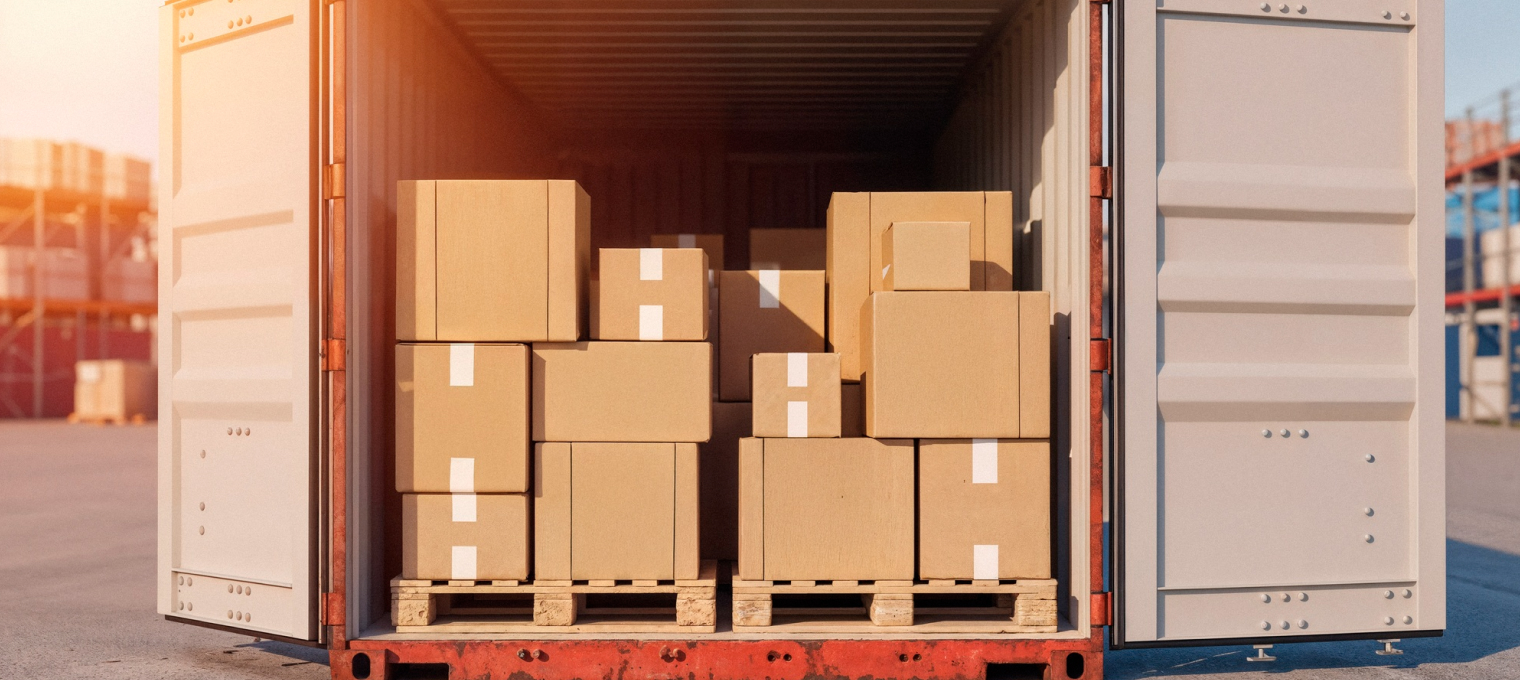
Simply put, cargo shipping is the process of transporting goods in large quantities or significant volume from one location to another using various modes of transport. Its key characteristic is scale. While regular delivery often handles individual packages, cargo deals with pallets, containers, or even entire ship loads. This service is a primary choice for businesses to distribute products, raw materials, or equipment. So, when you need to send goods in large quantities, safely, and in an organized manner, a professional freight shipping service is the solution.
Types of Cargo Shipping You Should Know
Not all cargo is the same. Choosing the right type depends heavily on needs like budget, urgency, and the nature of the goods themselves. Let’s look at the classifications.
By Mode of Transportation: Picking the Right Fit
- Air Cargo: Speed and Efficiency for High Urgency. This is the fastest solution. It’s suitable for high-value items, perishable goods, or shipments requiring short transit times. Shipping by air, while relatively higher in cost, is a tremendous time-saver. At Agung Logistics, our air freight services are supported by an extensive network and high-frequency schedules to ensure your goods arrive on time.
- Sea Cargo: Economical for Large Volumes. For shipments that are less time-sensitive but prioritize cost-effectiveness, sea freight is the best choice. This mode is ideal for heavy, bulky items, or full container load (FCL) shipments. Our shipping by sea services reach various domestic and international destinations with guaranteed security.
- Land Cargo: The Backbone of Overland Distribution. Encompassing truck and rail freight, this type of cargo shipping is vital for distribution within islands or across cities. It’s flexible for various shipment sizes and often forms the final leg of the logistics cargo chain after air or sea transport. Need an overland solution? Our land trucking services are ready to distribute your goods securely.
By Type of Goods: Specialization Matters
- General Cargo: Common goods that don’t require special handling, like clothing, furniture, or documents.
- Special Cargo: Requires extra care and protocols. Examples include dangerous goods, perishable items like food, or oversized cargo. Experienced freight forwarding service providers like Agung Logistics have specific protocols to handle these.
How Does Cargo Shipping Work? A Complete Guide
The how logistics works process in cargo shipping is structured to ensure security and traceability. Here’s a typical workflow:
- Pickup & Receiving: Your goods are collected from the location or dropped off at the cargo service provider’s warehouse.
- Inspection & Documentation: Goods are checked for condition, weight, and dimensions. Crucial documents like invoices, packing lists, and special permits are prepared. This is a critical stage in the shipping expedition.
- Warehousing & Consolidation: Goods may be stored temporarily in a warehouse to be consolidated with other shipments heading to the same destination, improving efficiency.
- Loading & Dispatch: Goods are loaded into containers or transport units (aircraft, vessel, truck) according to the types of cargo shipping and the route.
- Core Transportation: The main journey via the chosen mode (air/sea/land) takes place.
- Unloading & Delivery: Upon arrival at the destination city, goods are unloaded and then distributed for final delivery to the recipient’s address.
Tips for Choosing the Right Cargo Shipping Service
With many options available, consider these factors:
- Safety & Tracking: Ensure the provider offers a real-time tracking system.
- Coverage & Expertise: Do they serve your required routes and have experience handling your type of cargo?
- Transparent Costs: Look for clear quotations without hidden fees.
- Customer Service: They should be responsive and informative in communicating the process.
Conclusion & Your Integrated Logistics Solution
o, cargo shipping is the complex system that underpins the movement of goods on a large scale. Understanding its definition, types, and how it works empowers you to make smarter business decisions. Now, if you’re looking for an integrated logistics service partner that can handle all of that—from air freight and sea cargo to land distribution—you’re in the right place.
Optimize your business supply chain
With a wide network, expert team, and commitment to security and timeliness, we are ready to be an extension of your logistics team.


