
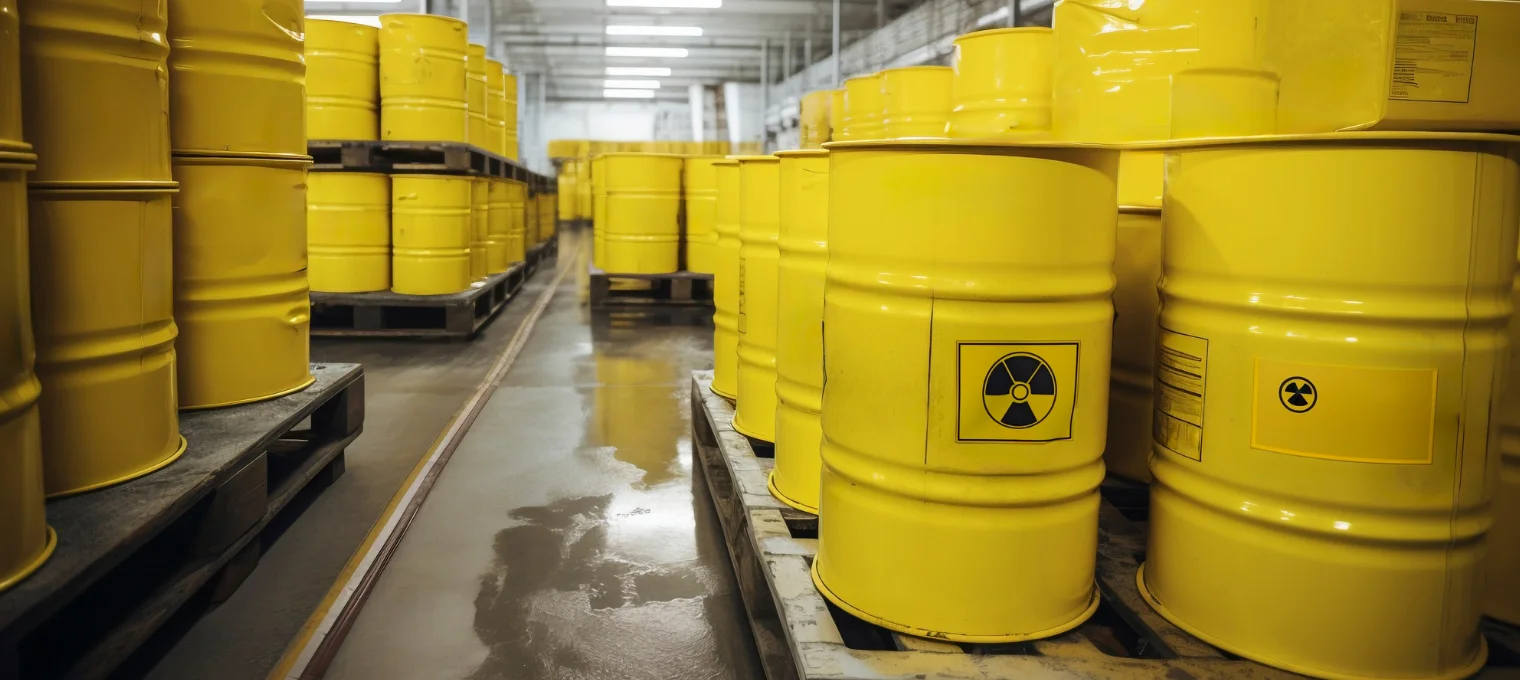

Understanding transportation of dangerous goods regulations and labeling is an essential step in preventing the risk of accidents, fines, or environmental damage. Regulations and labeling are designed to protect public safety and environmental sustainability. When a product or process is regulated and labeled according to established standards, it ensures that users or managers of the product understand the potential hazards that may arise. For example, clearly labeled hazardous chemicals can help industrial workers take appropriate precautions, thereby reducing the risk of workplace accidents.
In addition, compliance with regulations and labeling can also prevent fines or legal sanctions that are detrimental to the company. Failure to comply with established regulations can result in large financial penalties and damage the company’s reputation. Furthermore, environmental damage caused by non-compliance with regulations can have long-term impacts that are difficult to repair. Therefore, understanding and complying with regulations and labeling is not only about fulfilling legal obligations, but also playing a role in maintaining safety, preventing financial losses, and protecting the environment.
Understanding Dangerous Goods (B3)
Transportation of dangerous goods are materials or substances that have the potential to pose a significant risk to health, safety or the environment if not handled properly. Here are definitions and examples of some types of dangerous goods:
- Hazardous Chemicals: These are chemicals that can cause hazards such as chemical reactivity, toxicity, or corrosivity. Examples include sulfuric acid, sodium hydroxide, and solvent chemicals such as toluene or methanol.
- Hazardous and Toxic Waste (B3 Waste): This waste is generated from industrial processes or other activities that contain hazardous and toxic substances. B3 waste can be solid, liquid, or gas, and usually requires special management. Examples include waste from electroplating processes, medical waste, and pesticide waste.
- Flammable Materials: These materials can easily catch fire and cause a fire if exposed to a heat source or flame. Examples of flammable materials include gasoline, propane, ethanol, and various types of organic solvents.
Handling dangerous goods requires understanding and compliance with safety regulations and procedures to minimize the risk of accidents and negative impacts on the environment.
Classification of Dangerous Goods (B3)
According to ADR (Accord Dangereux Routier), dangerous goods are classified into nine classes based on the nature of the danger they have. The following is the classification of dangerous goods according to ADR:
- Class 1: Explosives.
- Class 2: Gases.
- Class 3: Hazardous land.
- Class 4: Flammable solids.
- Class 5: Oxidizing materials.
- Class 6: Toxic and infectious materials.
- Class 7: Radioactive materials.
- Class 8: Corrosive materials.
- Class 9: Other dangerous goods.
In Indonesia, regulations regarding the management of hazardous and toxic materials are regulated by Government Regulation No. 74/2001. This regulation covers the control, distribution, and management of hazardous waste and hazardous chemicals to prevent environmental damage and negative impacts on human health.
Regulations for the Transport of Dangerous Goods
The international transportation of dangerous goods regulations include several important standards designed to ensure the safety and compliance of the transport of dangerous goods by various modes of transport. Some of the main standards are:
- ADR (Accord Dangereux Routier): This is an international agreement that regulates the transport of dangerous goods by land in Europe. ADR covers the classification of dangerous goods, the packaging used, and the safety procedures to be followed during transport.
- IMDG (International Maritime Dangerous Goods Code): This is the main guideline published by the International Maritime Organization (IMO) for the transport of dangerous goods by sea. IMDG regulates the classification, packaging, labeling, stowage, and documentation of dangerous goods, with the aim of ensuring that they are handled correctly and safely during sea transport.
- ISO (International Organization for Standardization): ISO also has a range of standards related to the transport of dangerous goods, including safety and quality standards for different types of dangerous goods. For example, ISO 14001 deals with environmental management, and ISO 45001 deals with occupational safety management.
- The Ministry of Transportation’s regulations regarding the transportation of dangerous goods are regulated in Permenhub No. 16 of 2021. This regulation stipulates the procedures for handling and transporting dangerous goods at ports, including packaging requirements, labeling, and documentation required to ensure safety during transportation.
- On the other hand, the Regulation of the Ministry of Environment and Forestry (KLHK) regulates the management of B3 waste through Permen LHK No. 6 of 2021. This regulation includes procedures and requirements for the management of B3 waste, including procedures for reducing, handling, and processing such waste to reduce negative impacts on the environment and human health.
These regulations and standards are essential to ensure that dangerous goods are handled in a safe manner, both for the crew, the ship itself, the environment, and the community around the port. By complying with these standards, the risk of accidents, environmental pollution, and other negative impacts can be minimized.
Read Also : Optimize Your Business Supply Chain: Efficient Strategies and Integrated Logistics Solutions
Mandatory Labeling Requirements
Dangerous goods labeling is an important step to ensure safe and regulatory handling. The following labeling requirements must be met:
- Hazard Symbols and Codes: Each label must include a hazard symbol that corresponds to the classification of the dangerous goods, such as the flame symbol for flammable materials or the skull and crossbones symbol for toxic materials. This symbol must be clear and easily visible.
- Identification Information: The label must include the name of the hazardous material, its UN number, and its hazard class according to ADR, IMDG, or other international standards.
- Language and Legibility: The label must be written in a language that the user understands, and the text and symbols must be large enough and contrasting enough to be easily read, even from a distance.
- Emergency Action Instructions: The label must include instructions for emergency action to be taken in the event of an accident or exposure, such as how to administer first aid or emergency contact numbers to call.
- Label Durability: The label must withstand the environmental conditions in which the goods will be stored or transported, such as being water-resistant, oil-resistant, or UV-resistant.
- Manufacturer or Shipper Information: The label must include information about the manufacturer or shipper of the dangerous goods, including company name and address.
By complying with these labeling requirements, we can ensure that dangerous goods are handled safely and in accordance with regulations, reducing the risk of accidents and environmental damage.
The following are types of labels based on the class of hazardous materials according to the ADR classification:
- Explosive (Class 1):
- Label: It is usually orange with a black explosion symbol.
- Gas (Class 2):
- Label:
- Flammable gas: Red with a white flame symbol.
- Non-flammable, non-toxic gas: Green with a black gas cylinder symbol.
- Toxic gas: White with a black skull and crossbones symbol.
- Label:
- Flammable liquids (Class 3):
- Label: Red in color with black fire symbol.
- Flammable solid materials (Class 4):
- Label:
- Flammable solids: Red and white with a black flame symbol.
- Self-igniting materials: White with a black flame symbol.
- Materials that emit flammable gas when exposed to water: Blue with a black flame symbol.
- Label:
- Oxidizing Agents (Class 5):
- Label:
- Oxidizer: Yellow with a circle symbol surrounded by black flames.
- Organic peroxide: Red with a circle symbol surrounded by black flames.
- Label:
- Toxic and infectious substances (Class 6):
- Label:
- Toxic materials: White with a black skull and crossbones symbol.
- Infectious materials: White with a black biohazard symbol.
- Label:
- Radioactive materials (Class 7):
- Label: It is yellow and white with a black trefoil symbol.
- Corrosive materials (Class 8):
- Label: It is white and black with a hand symbol and black corroded metal.
- Other dangerous goods (Class 9):
- Label: Black and white with diagonal lines.
These labels aim to provide clear visual information regarding the hazards associated with the substance, thereby facilitating safe handling and transportation.
Documents to be prepared
To transport dangerous goods, there are several important documents that must be prepared to meet regulations and ensure safety during transportation. The following are the documents that are usually required:
- Dangerous Goods Manifest: This document contains a complete list of the dangerous goods to be transported, including description, UN number, and hazard classification.
- Shipping Certificate: This document certifies that the goods have been packed, labeled, and documented in accordance with applicable regulations, such as ADR, IMDG, or national regulations.
- Packaging Certificate: Certifies that the packaging used for dangerous goods meets established safety and durability standards.
- Emergency Action Instructions: Contains instructions on what to do in an emergency, including emergency contact information and safety procedures.
- Material Safety Data Sheet (MSDS): A material safety data sheet that provides detailed information on the properties, risks, and handling steps of a hazardous material.
- Permit Documents: For some types of dangerous goods, special permits may be required from the relevant authorities, such as permits for the transport of explosives or radioactive materials.
- Tracking Records: This documentation ensures that every stage of transport can be traced, from the point of origin to the final destination, to reduce the risk of loss or theft.
By preparing and completing these documents, companies can ensure that the process of transporting dangerous goods runs safely, efficiently and in accordance with applicable regulations.
Risks and Fines If Violated
Violating hazardous goods transport regulations can result in various risks and significant fines. The main risks include work accidents, fires, explosions, or environmental pollution that can have serious impacts on human health and ecosystems. In addition, such accidents can result in significant financial losses due to damage to property and equipment, as well as high medical costs for victims.
From a legal perspective, violating hazardous goods transport regulations can result in large financial fines, administrative sanctions, or even imprisonment. In Indonesia, for example, Permenhub No. 16 of 2021 and Permen LHK No. 6 of 2021 set out strict rules and sanctions for violators. In addition, companies that violate regulations can experience a tarnished reputation and significant business losses due to legal penalties and sanctions from the government.
In addition, based on Law No. 32 of 2009 concerning Environmental Protection and Management, the Government also stipulates administrative and criminal sanctions for violators. The following are some of the sanctions imposed:
Administrative Sanctions
- Administrative Fines: Companies or individuals who violate environmental regulations may be subject to administrative fines whose amounts vary depending on the severity of the violation.
- Removal of Permits: Permits granted to violators may be revoked by the government or local government.
- Suspension or Closure of Business: Businesses that violate regulations may be given sanctions in the form of suspension or temporary closure of the business.
Criminal Sanctions
- Administrative Criminal: Violators can be subject to administrative criminal penalties in the form of fines or light imprisonment.
- Conventional Criminal: If the violation causes serious environmental damage, violators can be subject to heavier conventional criminal penalties, including imprisonment.
- Additional Penalties: In addition to administrative or conventional criminal penalties, violators can also be subject to additional penalties such as diversion to individual punishment or community service punishment.
These sanctions aim to ensure environmental protection and prevent further damage.
✨ Start Optimizing Your Supply Chain Today! ✨
✅ “Need a Quick Solution?”
📞 Contact Our Expert Team: Free Consultation
✅ “View Full Services”
🚚 Visit agunglogistics.co.id
✅ “Compare Offers”
💡 Request a Free Quote


