
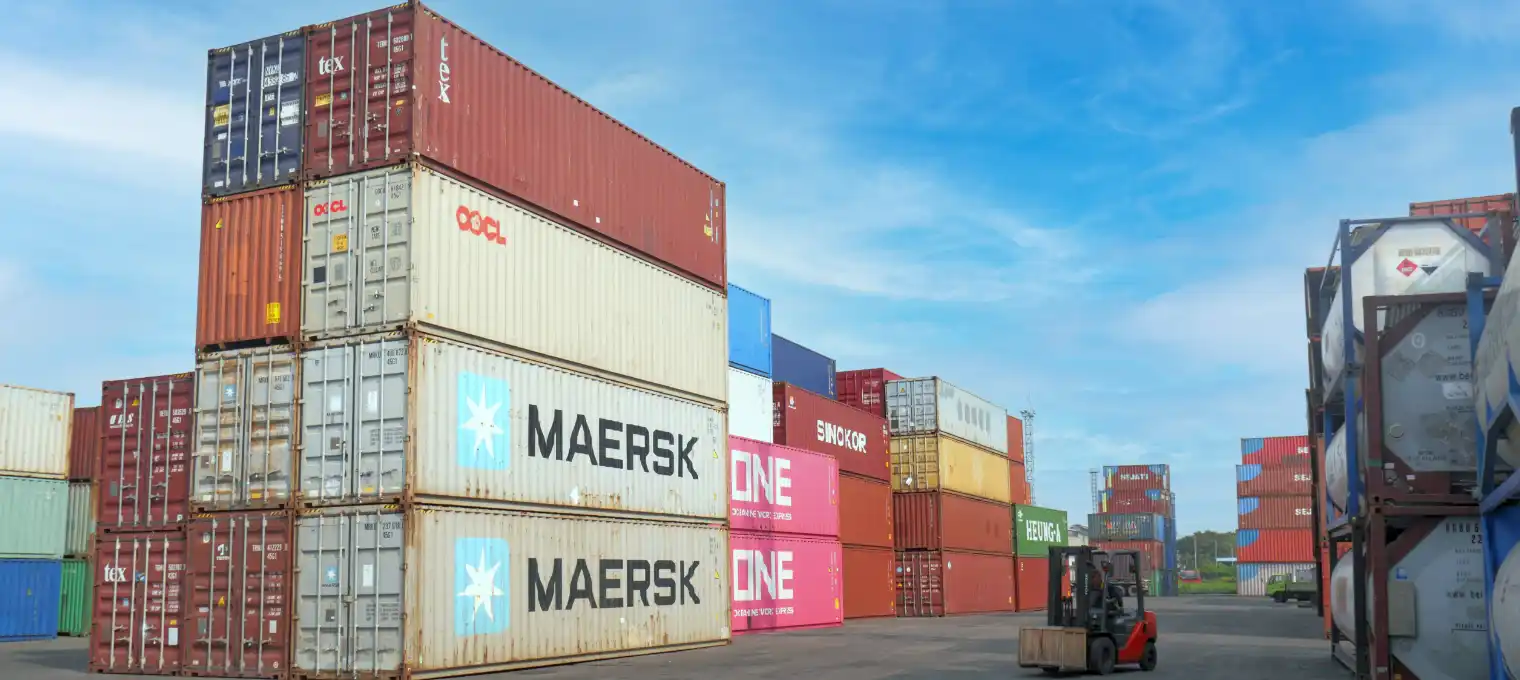

In the world of logistics, choosing the right type of container is crucial to ensure efficiency in shipping goods. Each type of container has different characteristics and functions, so it is important to choose a container that suits the type of load to be transported. Here are some types of logistics containers that you need to know based on their loads.
1. Dry Container

Dry containers are the most common type of container used in shipping goods. They are typically used to transport general cargo such as clothing, electronics, and furniture. Dry containers come in a variety of sizes, from 20 feet to 40 feet, and have a sturdy design to protect goods from damage during transit.
2. Reefer Container

Reefer containers are used to transport goods that require a certain temperature, such as frozen food, pharmaceutical products, and flowers. These containers are equipped with a cooling system that can maintain the temperature according to the load’s needs. Reefer containers ensure that goods remain fresh and undamaged during the shipping process.
Read Also : Kadin Reveals 5 Main Focuses Digitalization of Logistics in Indonesia
3. Open Top Container

Open top containers are specifically designed to transport cargo that cannot be loaded through standard doors, such as heavy machinery, construction equipment, and irregularly shaped items. These containers have a retractable roof, making it easier to load and unload goods. Once the cargo is loaded, the roof is covered with a tarpaulin to protect the goods from the weather.
4. Flat Rack Container

Flat rack containers are open-sided, flat-floor containers that are ideal for transporting large and heavy items such as vehicles, industrial machinery, and construction equipment. They allow loads that exceed standard dimensions to be transported safely. The sides of the container can be folded down to facilitate loading and unloading.
5. Tank Container

Tank containers are used to transport liquids and gases, such as chemicals, oils, and liquid food products. These containers are made of rust-resistant materials and are designed to maintain the quality and safety of the cargo during shipping. Tank containers are equipped with ventilation and safety systems to prevent leakage and contamination.
Conclusion
Selecting the right container type based on the load is a critical step in ensuring the efficiency and safety of shipping goods. By understanding the characteristics of each container type, you can determine the option that best suits your logistics needs. From dry containers for general cargo to tank containers for liquids and gases, each container plays a vital role in supporting the smooth running of the global supply chain.


