
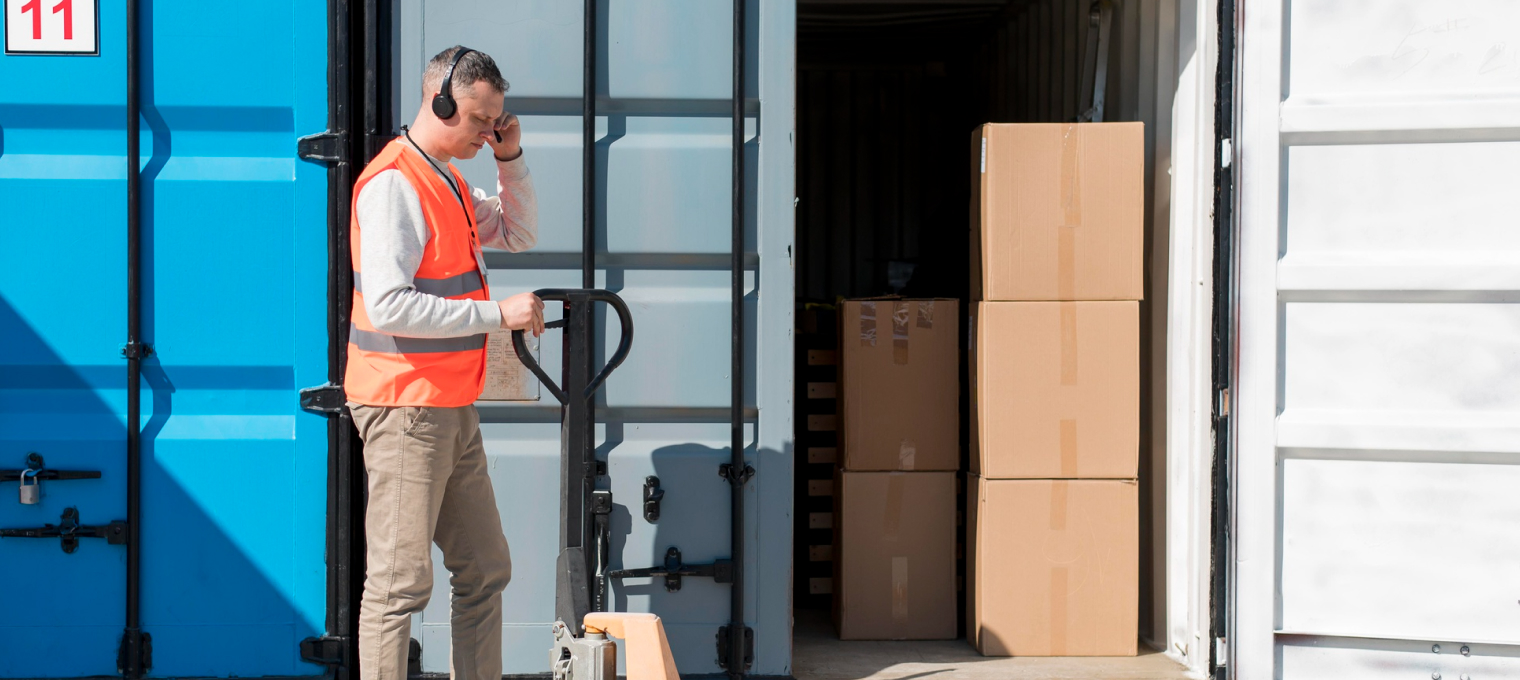

Have you ever heard the terms container stuffing and stripping but felt confused about what they actually mean? Or maybe you’ve just started in the import-export business and realized that loading and unloading cargo isn’t as simple as it seems.
Don’t worry—you’re not alone.
In the world of logistics, stuffing and stripping are two critical processes. A small mistake can lead to big trouble: damaged goods in the middle of the ocean, unexpected costs, or even safety hazards.
In this article, I’ll break down what stuffing and stripping really are, how they differ, and how to ensure everything runs smoothly. Let’s dive in.
What Is Container Stuffing?
Simply put, container stuffing is the process of loading cargo into a container. It’s also commonly called loading.
But this isn’t just “putting things in a metal box.” There’s both art and science behind it.
Common Stuffing Methods
- Factory Stuffing
The empty container is brought to the exporter’s warehouse, and goods are loaded directly. This is common when a full container load (FCL) is ready at one location. - CFS Stuffing (Container Freight Station)
When goods come from multiple suppliers (less than container load / LCL), they are first gathered at a CFS warehouse, then stuffed into a container. This method is typical for consolidating smaller shipments.
Risks of Careless Stuffing
Ever heard of shifting? That’s when cargo moves inside the container because it wasn’t secured or arranged properly. The result can be a tilted container, damaged goods, or even a truck accident. Uneven weight distribution is another common issue that can make the container unstable during transport.
What Is Container Stripping?
Container stripping is the opposite: unloading cargo from a container. Stripping usually takes place after the container arrives at the destination port or at the consignee’s warehouse.
This process requires just as much care. Imagine a container filled with products from different suppliers. The stripping team must carefully remove, sort, and inspect each item to ensure nothing was damaged during transit.
Challenges During Stripping
- Time Constraints: Ports offer a limited free time. If stripping takes too long, you may be charged demurrage—fees for delaying container return.
- Documentation Accuracy: The physical cargo must match the packing list and Bill of Lading. A single misidentified item can create customs clearance problems.
Key Differences Between Stuffing and Stripping
To make it easier to understand, here’s a simple comparison:
| Aspect | Container Stuffing | Container Stripping |
|---|---|---|
| Location | Usually at exporter’s warehouse or CFS | Usually at importer’s warehouse or CFS |
| Focus | Stowage, cargo security, weight balance | Inspection, sorting, fast unloading |
| Documentation | Packing list, shipping instruction | Bill of Lading, arrival notice, customs |
| Main Risks | Shifting, damage from pressure, imbalance | Demurrage, lost items, customs delays |
Why Choose a Professional Forwarder for Stuffing & Stripping?
You might think, “I can handle container loading and unloading on my own or just hire casual labor.”
That’s a valid thought—but let’s weigh the risks. Logistics is all about time and cost efficiency. When you entrust stuffing and stripping to experts, you gain more than just manpower:
- Insurance Coverage
Professional forwarders typically carry insurance that protects your cargo in case of accidental damage during handling. - Time Efficiency
Experienced teams know how to arrange cargo to maximize space while keeping everything secure. They also unload quickly without damaging packaging. - Paperwork Peace of Mind
Stripping at a port often requires coordination with customs. A seasoned forwarder handles these formalities smoothly, reducing the risk of demurrage or fines.
Reliable Stuffing & Stripping Solutions from Agung Logistics
This is where Agung Logistics comes in.
We understand that container stuffing and stripping are the front lines of your supply chain. With our experienced team and proper equipment, we ensure your cargo is:
- Arranged correctly according to international shipping safety standards.
- Protected against damage during loading and unloading.
- Handled on time so you avoid unnecessary demurrage costs.
Do you need a freight forwarder in Jakarta ready to manage stuffing at your warehouse? Or are you looking for a professional team to handle stripping cargo at a CFS in Tanjung Priok?
We offer door‑to‑door services, CFS handling, and project logistics tailored to your business needs. No need to worry about labor or technical loading issues—we’ve got it covered.
Conclusion
Stuffing and stripping are two sides of the same coin in logistics. Both are essential to ensure your goods arrive at their destination in perfect condition.
Don’t let these processes become a headache for your business. By understanding the definitions and risks, you’re already one step ahead. But for true peace of mind and cost efficiency, it’s best to partner with a logistics expert.
Ready to handle your container stuffing and stripping with confidence?
Contact our team to help make your import‑export operations easier, safer, and more efficient.


