
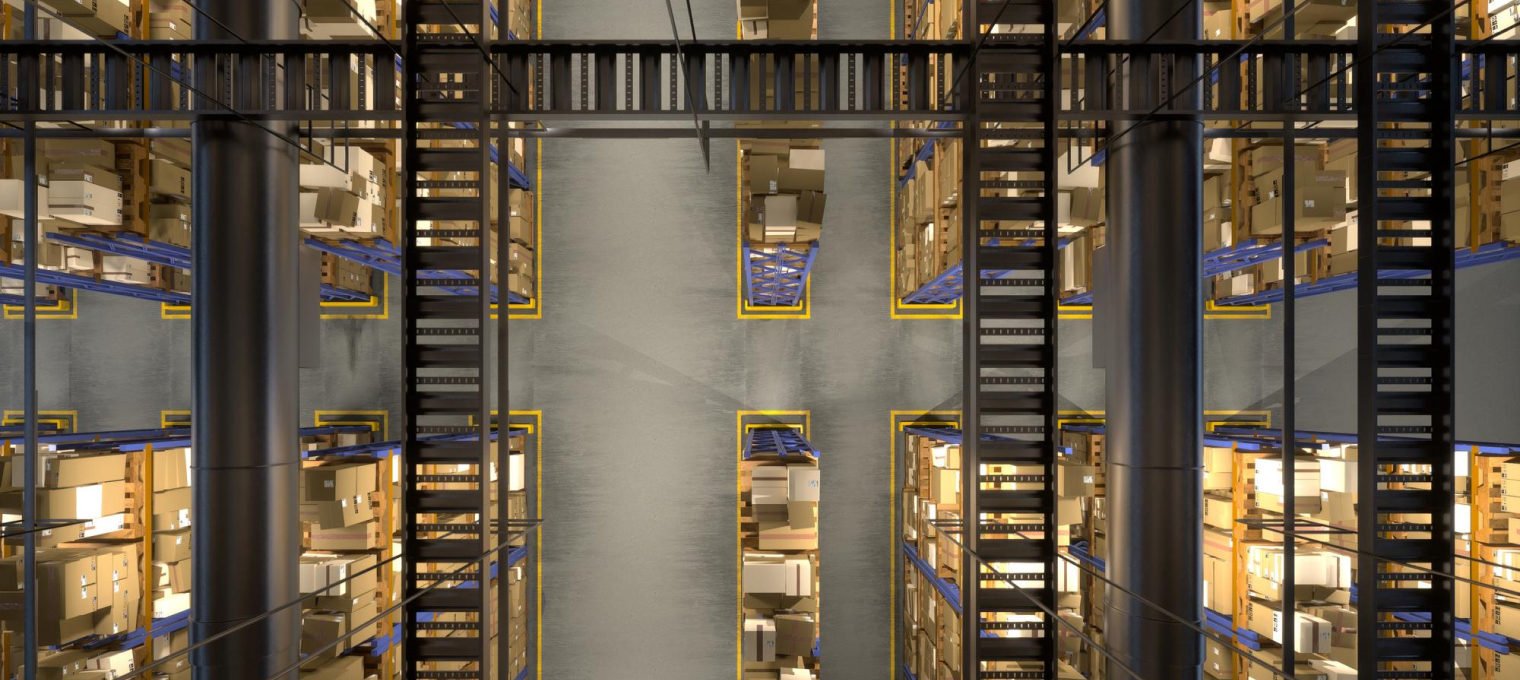

Picture your warehouse at its peak chaos. Trucks come and go, staff are running around looking for items that are “supposed” to be on rack A5—but turn out missing. Orders are piling up, some items have expired unnoticed, and stock reports are never accurate. Stressful, right? If this sounds familiar, it might be time for you to get acquainted with a Warehouse Management System (WMS).
Simply put, a WMS is an intelligent software that acts as the “brain” of your warehouse operations. It directs, controls, and optimizes the entire workflow, from the moment goods arrive until they leave. If you’ve been relying on error-prone manual logs or spreadsheets, a WMS is designed to transform that chaos into order with accurate, real-time data.
Warehouse Management System (WMS): More Than Just a Fancy Log
Make no mistake, a WMS is not just a glorified inventory database. It’s a digital ecosystem that integrates the people, processes, and equipment in your warehouse. Its functions are far more complex and strategic than any manual system. While Excel can only record data, a good warehouse management system provides you with insight, instructions, and predictions.
It knows exactly where every item is located, the most efficient picking sequence, the optimal storage area, and can even forecast stock shortages. To use an analogy, if the warehouse is a human body, the WMS is the central nervous system, coordinating every movement with precision and speed.
How Does a WMS Turn Disorder into Streamlined Efficiency?
So, how does this “magic” system actually work? It follows the core logistics flow with pinpoint accuracy.
From Receiving to Shipping: An Automated Workflow
When goods arrive (receiving), the WMS springs into action. Staff use barcode scanners to identify items. The system instantly determines the best storage location (putaway) based on type, size, and turnover rate. When an order comes in, the WMS designs the fastest picking route for operators, eliminating wasted steps. The packing and shipping processes are neatly recorded, including integrated tracking numbers.
Powered by Technology: Barcode, RFID, and Seamless Connectivity
The accuracy of a WMS is powered by technology like barcode scanning and RFID. Every scan is a real-time data update. Furthermore, modern logistics software like this can integrate seamlessly with your company’s ERP, Transportation Management System (TMS), or marketplace platforms. Everything becomes one interconnected unit. Want to learn more about integrated system implementation? Our expert team is ready to help you design the right solution.
5 Tangible WMS Benefits You’ll Feel on Your Bottom Line
Investing in a Warehouse Management System isn’t an expense; it’s a recalibration for efficiency. The benefits are concrete and measurable:
- Near-Perfect Inventory Accuracy (99.9%): Say goodbye to stock discrepancies. You can sleep soundly knowing your item counts and locations are precise.
- Drastically Improved Space & Labor Efficiency: With optimal storage suggestions, you can store more goods in the same space. Intelligent picking routes also save significant time and labor.
- Reduced Operational Costs: Minimize shrinkage (loss/expiry), cut down on costly shipping errors, and optimize resource use. Your logistics costs will be better controlled.
- Skyrocketing Customer Satisfaction: Faster and more accurate deliveries = happy customers. No more complaint emails about wrong or late shipments.
- Real-Time, Data-Driven Decisions: Comprehensive reports are at your fingertips. Analyze inventory turnover, staff performance, and demand trends to make strategic decisions for better warehouse management.
Does Your Business Need a WMS?
A WMS isn’t just for e-commerce giants. If you notice more than two of the following signs, it’s time to seriously consider one:
- Frequent errors in fulfilling customer orders.
- Too much time is wasted “hunting” for items in the warehouse.
- Stockouts or overstock situations happen often without early warning.
- Business growth is being hampered by warehouse capacity and operational complexity.
- You struggle to track item history (expiry, recalls).
If several points above ring true, your warehouse operations may have reached a point where manual systems are holding you back. Discuss your specific warehouse needs with the Agung Logistics team for an in-depth analysis.
Choosing the Right WMS: Tips to Ensure a Smart Investment
Selecting a Warehouse Management System is a long-term commitment. These considerations can help:
- Scalability: Can the system grow alongside your business?
- Ease of Integration: Can it connect with other systems you already use?
- User-Friendly: Is the interface intuitive for your floor team?
- Support & Implementation: Is there a reliable team to guide you from setup to training?
Need a more detailed guide? Read our article on How to Choose the Right Logistics Software for more comprehensive insights.
Boost Your Warehouse’s Competitiveness Starting Today
Agung Logistics doesn’t just understand warehouse management theory; we are also ready to support your logistics operations’ digital transformation.


